Fuel usage by vehicle
Consumption, cost, and efficiency tracked per vehicle and per driver, so the numbers are comparable and outliers stand out.

Forward Konnect sets up fuel management that lets you monitor fuel usage and costs by vehicle, identify unusual transactions, and spot unnecessary fuel waste. Fuel data is connected to GPS tracking, telematics, and your accounting system, so the largest variable cost in most fleets stops being a line on a card statement and becomes something you can act on.
No obligation. Local guidance. Response within one business day.
Fuel is usually the largest variable cost in a fleet, and it is also the least examined. Card statements arrive as a total. Receipts are reconciled weeks later, if at all. Nobody can say which vehicle burned the most, whether a fill-up matched the tank size, or how much of last month's bill was spent idling with the engine running and the vehicle going nowhere.
Fuel waste from excessive idling, inefficient routes, or unauthorized use hides inside that total. So do unusual transactions: a fill-up at an odd hour, a purchase far from any route, a volume larger than the vehicle can hold. Without fuel data tied to vehicles and trips, all of this looks like the normal cost of doing business.
Fuel is the biggest fleet cost most businesses never actually look at.
We set up fuel monitoring that fits how your fleet buys and uses fuel, connect it to your tracking and accounting systems, and make the data easy to use. A typical setup covers:
Consumption, cost, and efficiency tracked per vehicle and per driver, so the numbers are comparable and outliers stand out.
Purchases matched against vehicle location, tank capacity, and odometer readings to identify unusual transactions automatically.
Engine-on, vehicle-stopped time reported by vehicle and location, because idling burns fuel without moving anything.
Trip data from GPS tracking and telematics shows where routes add miles, so dispatch can correct them.
After-hours movement and off-route trips flagged, with alerts to the people who should know.
Fuel costs flow to your accounting or job-costing system, so vehicle and job profitability reflect real fuel spend.
Fuel monitoring is rarely installed on its own. It draws on the same telematics data that drives maintenance scheduling and driver performance reporting, which is why we design it as part of the whole fleet picture.
Fuel data tied to vehicles, trips, and jobs — not just a monthly total.
We review how fuel is purchased today, what records exist, how many vehicles are involved, and where you suspect waste.
We define what will be measured, which transactions should be flagged, who receives alerts, and how fuel data should reach your accounting system.
Fuel card data, telematics, and accounting are linked so that usage, cost, and location can be compared automatically.
You receive clear reports by vehicle, driver, and period, with exceptions highlighted, on a cadence that fits how you run the fleet.
As patterns emerge, we help you act on them — idling policies, route changes, card controls — and adjust reporting as the fleet changes.
Measure first, then fix what the data actually shows.
Fuel management fits any business where fuel is a meaningful share of operating cost and purchasing is spread across multiple drivers and vehicles.
If you already run telematics but fuel is still reconciled by hand, the gap is usually integration rather than new hardware, and that is a smaller project than it sounds.
If fuel is a line you budget for, it is a line you can manage.
Connected fuel monitoring gives you the visibility to control costs and keep vehicles productive:
How much there is to recover depends entirely on your starting point. A fleet consultation is where we measure yours rather than guessing.
Fleet management gives you the visibility to control costs, protect vehicles, and keep your business moving.
Questions about service, an existing account or anything else — write to us and we will come back within one business day.
Not necessarily. Most fuel card programs export transaction data that can be matched against telematics. We review what you use today and recommend a change only if it genuinely improves control or cost; we are not tied to any fuel card or hardware brand.
By comparing each purchase against what the vehicle data says: where the vehicle was at the time, how much its tank holds, and how far it has traveled since the last fill. Transactions that do not fit are flagged for a person to review rather than being silently accepted.
Yes. Engine-on time with the vehicle stopped consumes fuel and adds engine hours without producing anything. Reporting it by vehicle and location lets you set a clear policy and coach against data rather than opinion.
Usually yes. Fuel cost by vehicle and period can flow into accounting and job-costing systems through the same integration work our business automation practice handles, so profitability reports reflect real fuel spend.
Fleet management and GPS solutions: vehicle tracking, fuel monitoring, driver performance reporting, automated maintenance and simplified DOT compliance.
ExploreGPS tracking and telematics for business fleets: vehicle location, mileage, trips, idling and engine diagnostics in real time, connected to your systems.
ExploreFleet maintenance management: automated service schedules and reminders based on mileage, engine hours or vehicle needs, helping prevent costly breakdowns.
Explore
A practical blueprint for logistics and fleet operators — yard and warehouse internet, driver devices, ELD compliance context, and automated dispatch workflows.
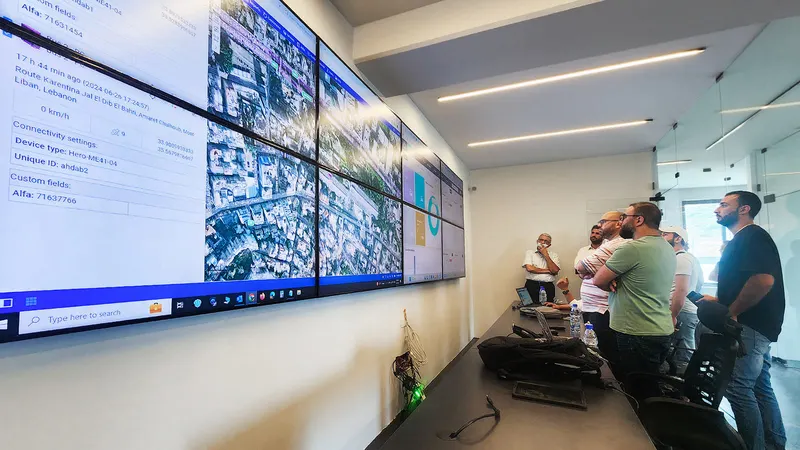
What to track on an automated reporting dashboard and how to build one — metric selection, data sources, build options and the habits that keep numbers trusted.

A practical framework for calculating business automation ROI — hours saved times loaded labor cost versus total cost, with a worked example and honest caveats.
One conversation covers connectivity, phones and the manual work you want off your plate. No obligation. Local guidance. Response within one business day.